

Six years ago, the Covid-19 pandemic gave rise to a sudden real estate boom. Facing month after month confined to small apartments, city dwellers across the country scrambled to secure space and fresh air to ride out the lockdown. As demand for residential real estate skyrocketed, so too did home values, rising a dizzying 55% between the first quarter of 2020 and the start of 2025, according to the National Association of Home Builders. Now, the real estate market is finally beginning to stabilize, and many homeowners are watching appreciation rates slow. However, while some parts of the country have indeed seen dramatic change, home values in Central Virginia have proven remarkably resilient.
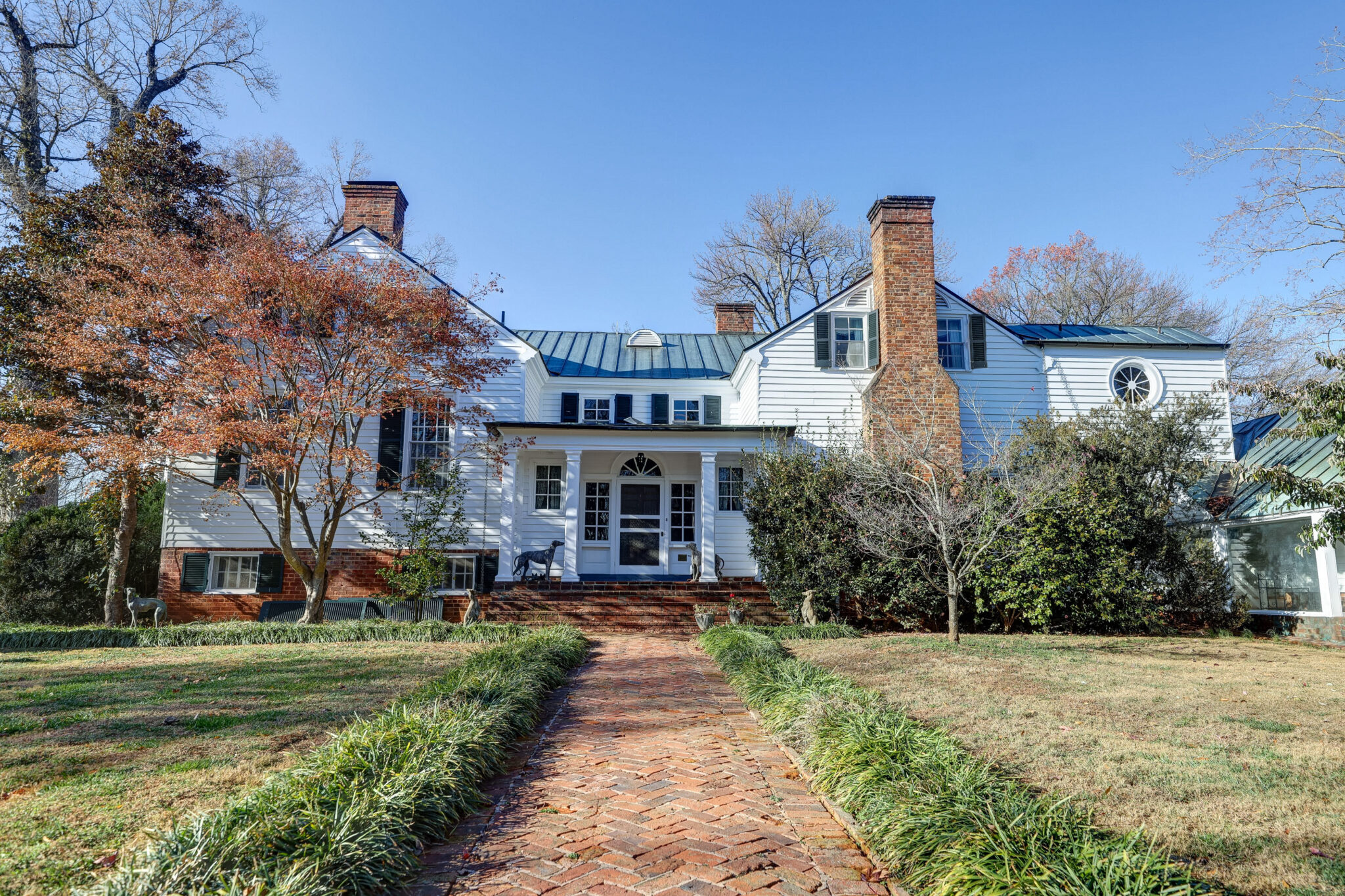 Nationwide, alarming headlines proclaim more than half of homes are currently selling below asking price, sparking serious concern among homeowners and sellers. But it’s important to remember these stories are citing national averages, and in practice, real estate markets are hyper local.
Here in Central Virginia, residential sales still receive an average of 100% of their asking price — and in some metro areas, like Richmond and Charlottesville, the majority of homes are selling well above that. While sale price and appreciation are not exactly the same, they both serve as metrics of a property’s value. Since appreciation measures how much that value has increased over time, it’s a significant factor for sellers to consider when setting an asking price that accurately reflects the property’s worth.
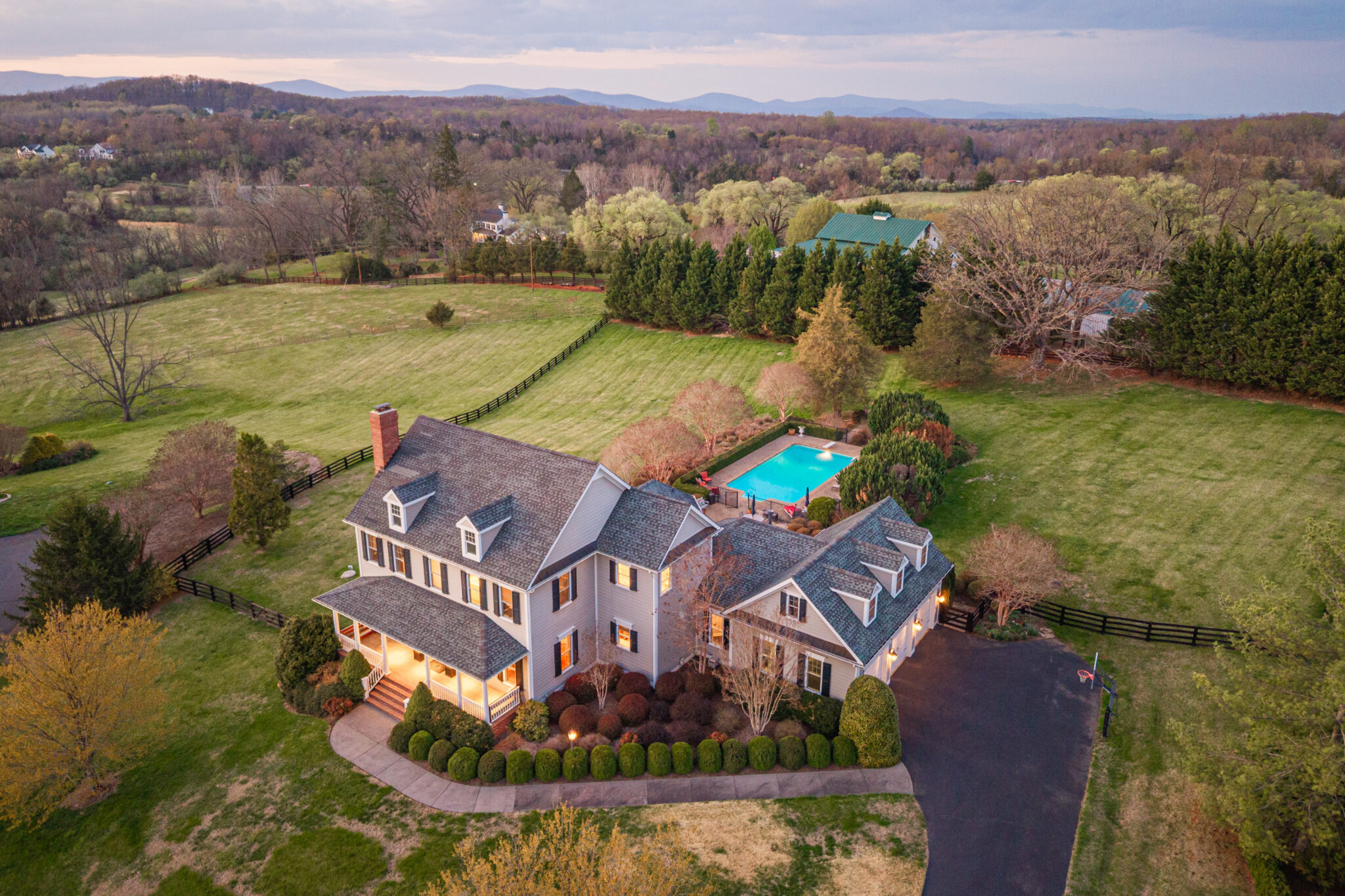 Appreciation itself is chiefly determined by supply and demand; in 2026, Central Virginia’s real estate market remains defined by high demand coupled with markedly low supply (inventory). Over the past year, inventory has gone down while demand has increased even further. This competition for limited properties has set the stage for significantly higher home appreciation than in other parts of the country.
Of course, demand is also influenced by what buyers can afford, and high mortgage rates can put an otherwise affordable property out of a buyer’s price range. Indeed, the mortgage rate spike in recent years has dampened the national real estate market, creating reduced demand that has impacted home appreciation. In Central Virginia, however, the area’s overall appeal balances out the negative effects of high mortgage rates on buyer demand.
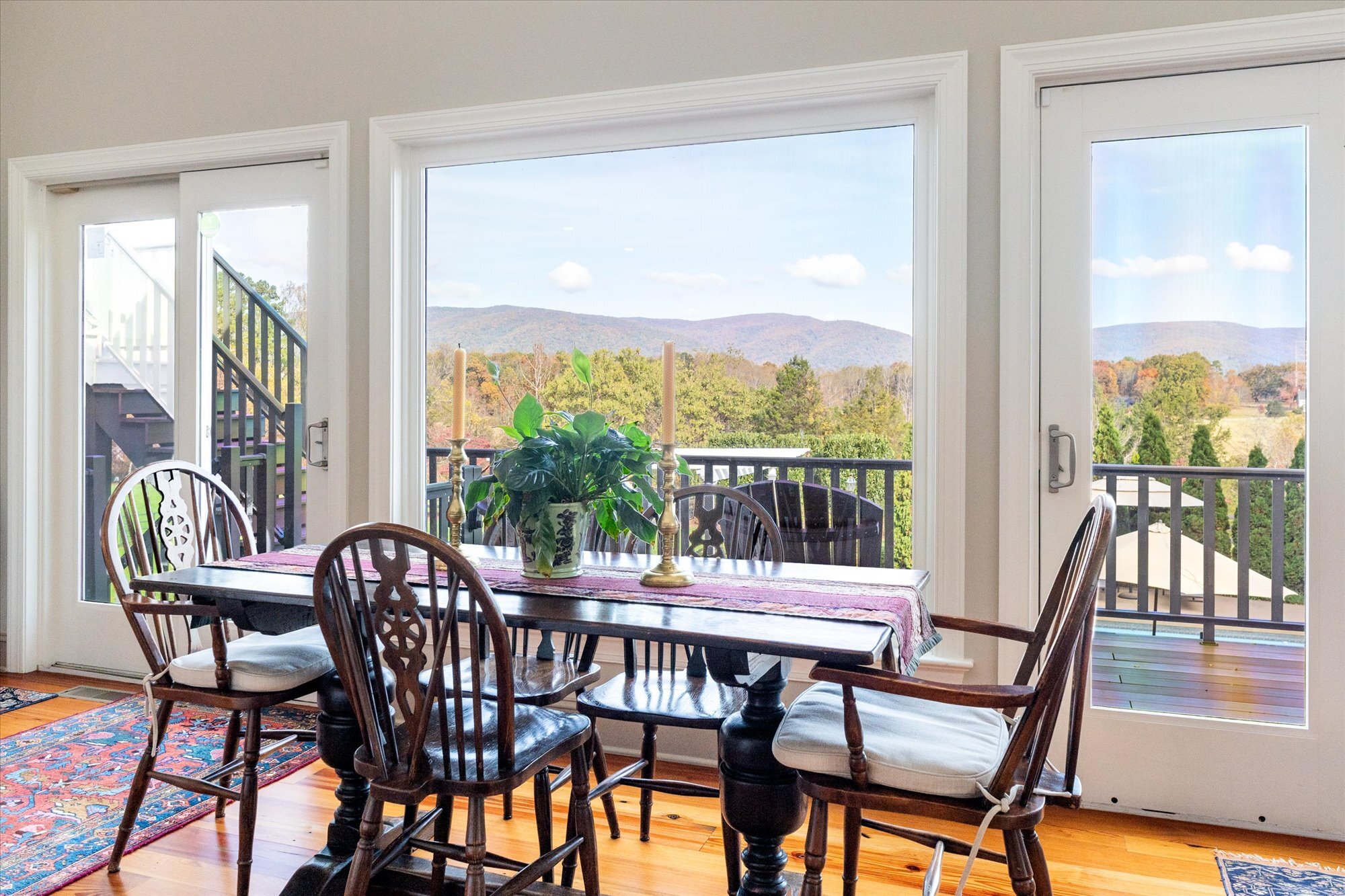 This is a highly desirable region, boasting stunning natural beauty and outdoor recreation within an easy drive of Washington D.C. Our vibrant academic institutions and dynamic cities make Central Virginia a cultural oasis, with world -class arts and food scenes. The local economy is also strong, with unemployment rates in both Charlottesville and Richmond well below the national average.
On Niche, Albemarle County is rated as the 26th best county to live in nationwide, with public schools ranked 28th out of 2,763; while Richmond is rated the 33rd best city for young professionals. And when it comes to high-end living, an analysis from the Realtor.com in partnership with the Wall Street Journal recently declared Charlottesville to be the third-best luxury housing market in the United States.
Central Virginia is simply a great place to live, and that keeps it a sought-after destination for home ownership. That demand, in turn, keeps home values high and appreciation relatively stable. For comparison, home appreciation has averaged only 0.6% nationally over the past year, while home values are up 1.6% and 1.3% in Richmond and Albemarle County, respectively.
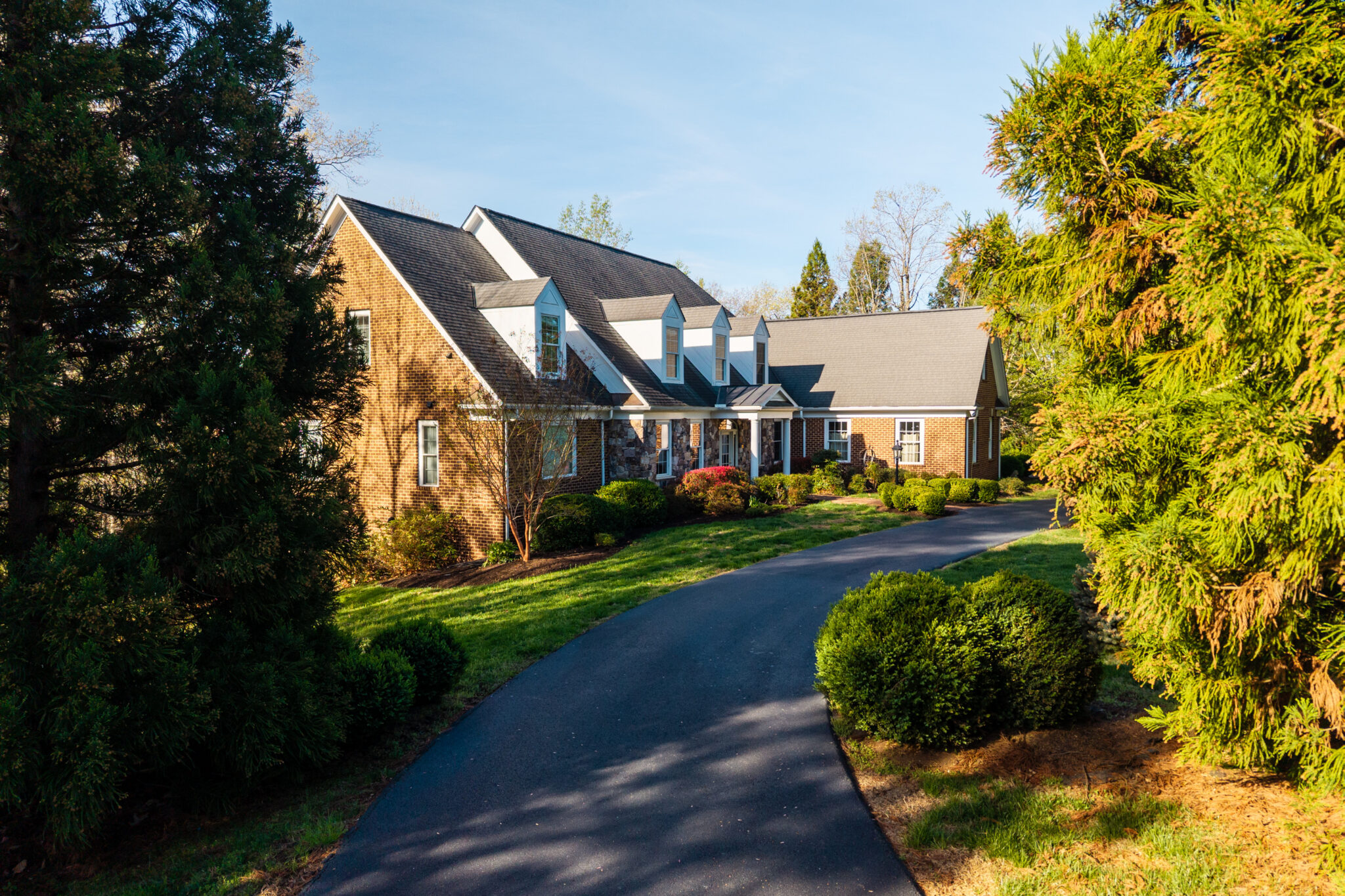 Homeowners looking to further boost their property’s value can also do so via “forced appreciation.” This entails making improvements that add significant value to a property, such as through interior renovations or landscaping.
To maximize the benefit of any such upgrades, be sure to consider what sorts of improvements are most in demand in your location and for your type of property; for example, a farm property would benefit from the addition of specialized outbuildings, while the owner of a downtown condo would do better to focus on smart home wiring. In this way, appreciation through both forced and natural means can work in tandem to increase your home’s value.