
There are two paths to getting the home of your dreams: you can buy it, or you can build it. To decide which path is right for you, it’s important to understand the pros and cons of each, and to weigh how those factors fit with your priorities. Of course, there is also an element of chance, as you cannot control which homes or lots will be on the market when you are ready to make your move—so if you have the luxury of time, it may be worth waiting a bit longer for the right match.
Buying a Home
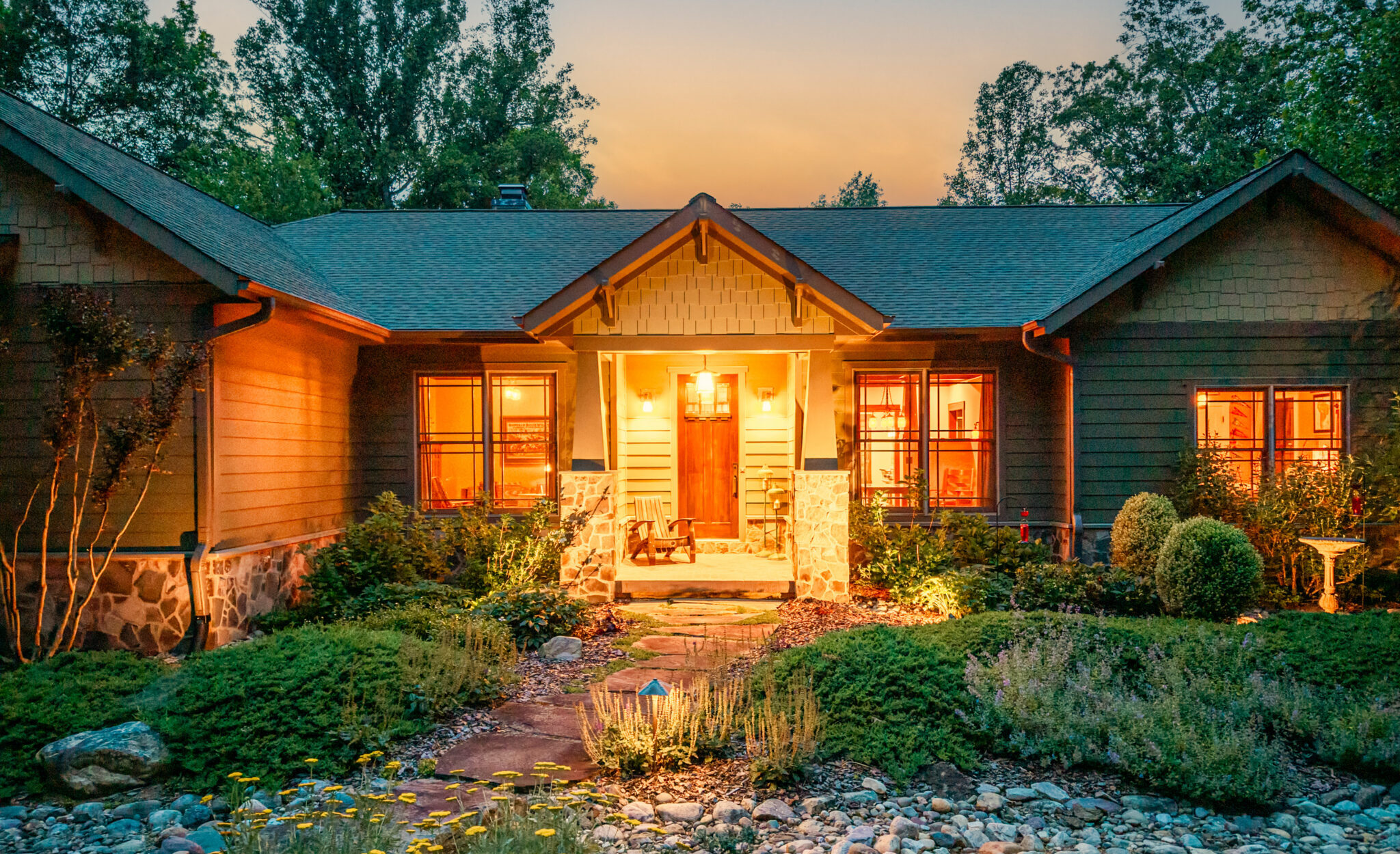 If you are not 100% committed to building from scratch, it makes sense to start by surveying the available inventory in your target area.
Inventory in Central Virginia tends to be limited, so you should expect competition for desirable properties and be ready to move quickly if you find your perfect home.
Consider these points when deciding whether to buy instead of build.
Pros:
- Buying an existing home that doesn’t require extensive renovation means you can move in quickly—a powerful incentive if you’re working with a tight timeline.
- A more recent build could already have many of the home features you’re looking for, from a modern layout to integrated smart tech. Instead of having to reinvent the wheel, you can tweak what’s already in place to personalize it for your preferences.
- Sometimes the best things in life turn out to be ones we’d never expected. Buying a home gives you the chance to fall in love with a design or features that you may not have otherwise realized were exactly right for you.
- If the thought of designing a home from scratch feels overwhelming and stressful, then buying is a better option.
Cons:
- An older build will likely have poorer energy efficiency—especially Central Virginia’s historic homes, whose beauty and history can be overshadowed by drafty windows and dated HVAC systems. Retrofitting a house with updated insulation, heating and cooling can be a significant add-on cost and delay your move-in date.
- A home’s asking price reflects its market value, which takes into account all that the home has to offer. If the house you fall in love with includes features you personally wouldn’t have otherwise chosen, like smart tech you don’t plan to use or a wine cellar if you don’t drink, then you will end up paying a premium for features you don’t want.
- You will have to compromise on some aspects of your ideal vision. Even if you find a home you love, it will not have every detail that you dreamed of. Some amenities, like a sauna or swimming pool, can be added on afterward; but aspects like architectural style cannot be altered, and mountain views cannot be produced where none exist. Decide ahead of time what your deal breakers are going to be, and know where you are willing to bend.
Start your search now by browsing McLean Faulconer’s luxury Central Virginia properties.
Building a Home
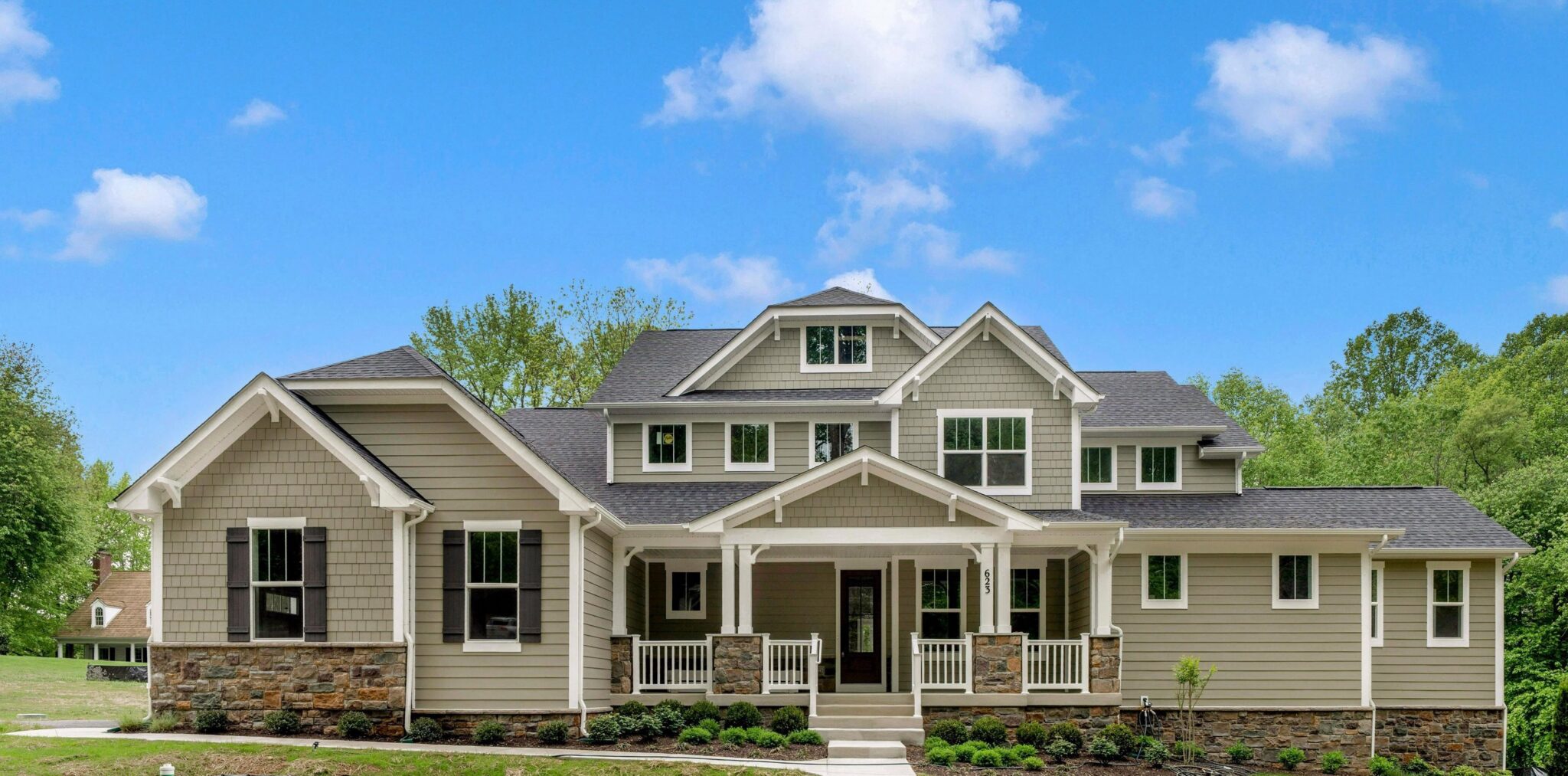 If you have always dreamed of creating a perfectly personalized home, and if you have the time and funds to do so, then you will likely prefer to build.
If you choose this route, your most important choices will be the lot you build on, and the architecture and design professionals you work with to bring your dream to life. Consider these points when deciding whether to build instead of buy.
Pros:
- You can have the exact home that you dreamed of—including things that can’t be retrofitted, like floorplan and building materials. You will be limited only by your lot, imagination, budget and local ordinances.
- You can ensure a quality build by choosing trusted professionals to handle every aspect of the design and construction. This will also ensure good energy efficiency, keeping your heating and cooling costs low.
- A new build will also keep maintenance costs low, since wiring, plumbing and other installations shouldn’t need to be repaired anytime soon. You also shouldn’t have to deal with unpleasant surprises like a flooded basement or a failed septic system, since everything will have been built to current standards.
Cons:
- It will take longer to build a house than to buy one. If you are on a tight timeline, building may not be an option. Even if you think you have enough time, you’ll need to account for the inevitable delays that will arise due to weather, supply issues, permitting and other unforeseen events.
- If you prefer to live in a central location or established neighborhood, finding a lot to build on can be challenging. You may end up needing to tear down an existing structure to build your dream home, which will add significant time and cost to your project.
- Purchasing a home means that all necessary assessment and permitting for what’s been built on the property has already been completed. When choosing a lot on which to build, however, you must be extra careful to perform your due diligence. Drainage issues, easements and regulatory restrictions are only some of the factors that will affect what you can build and where, from the house itself to swimming pool, barns and more.
Find Your Perfect Property in Central Virginia
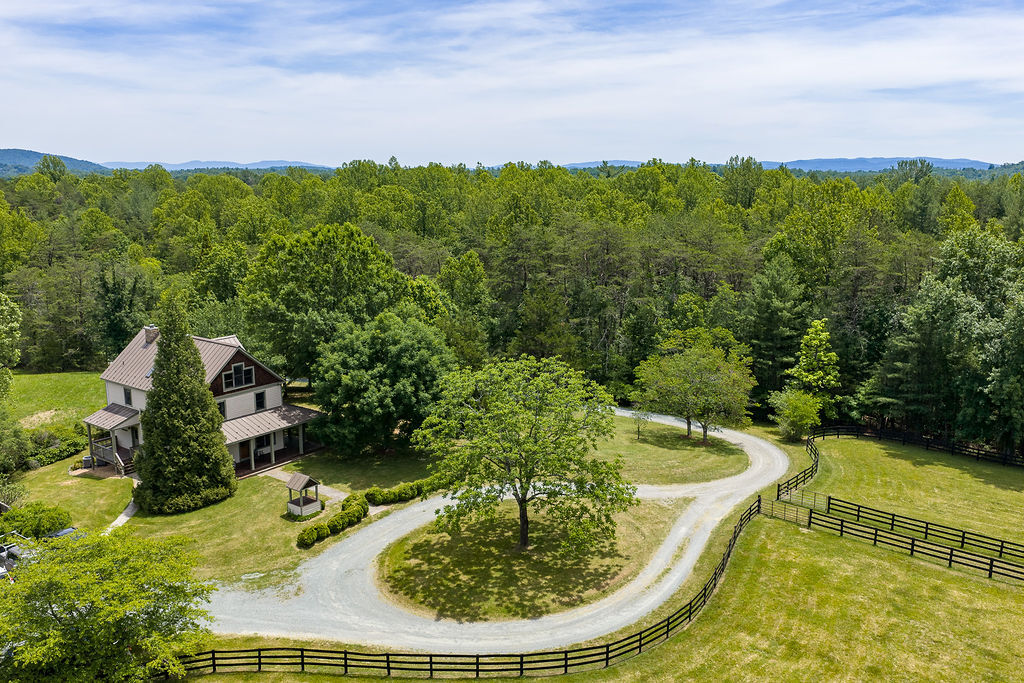 Whether you plan to buy or build your dream home, Central Virginia offers a variety of stunning options. To learn more about the luxury market and available properties, call or text McLean Faulconer at (434) 295-1131 or request your private buyer consultation online.
