
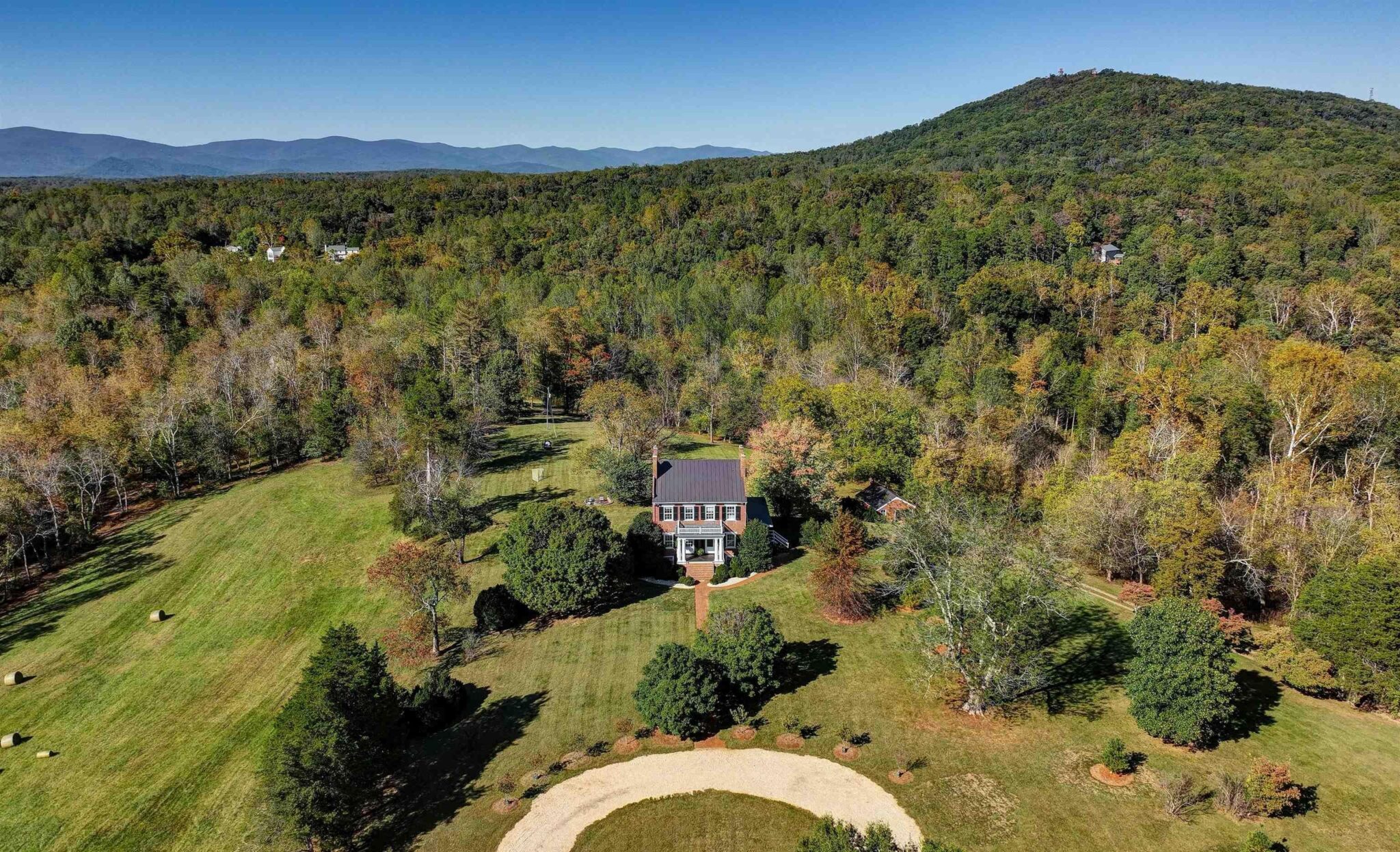
Buying a farm property is unlike purchasing any other kind of real estate. Beyond the beauty of open acreage and pastoral views lies a complex balance of land use, infrastructure, and long-term stewardship. In Virginia, where historic estates, vineyard landscapes, and working farms coexist, understanding these factors before you buy is essential. Whether you’re seeking a working farm, an equestrian estate, or a quiet country retreat, a thoughtful evaluation ensures your investment is both practical and enduring.
Start with the Land Itself
The land is the heart of every farm. Begin by studying the topography, soil composition, and natural drainage. In Central Virginia, fertile Piedmont soil supports a range of agricultural uses, from hay production to vineyards. Rolling land provides scenic appeal, but may affect accessibility for barns, riding facilities, equipment, or livestock. Low-lying areas along creeks—common in Albemarle and Nelson Counties—may sit in floodplain zones or require erosion management. A soil and environmental assessment can reveal whether the property truly suits your goals.
Understand Water Access and Rights
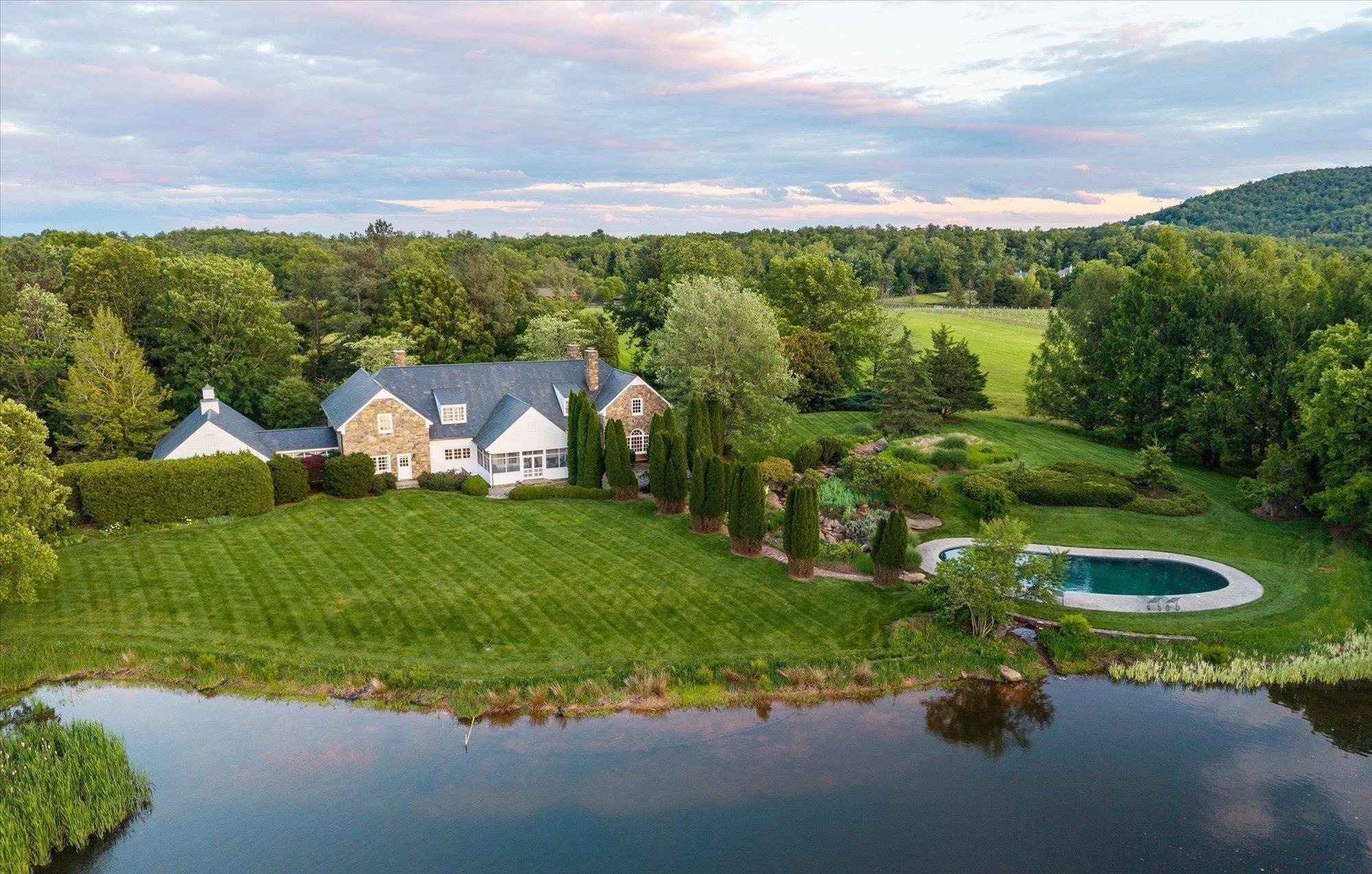 Many Central Virginia farms rely on strong well systems supported by natural springs, aquifers, ponds, or streams connected to the Rivanna and James River watersheds.
Virginia doesn’t use a Western-style water-rights system, but larger agricultural or commercial withdrawals may still require review or permitting. Groundwater in this region typically comes from the fractured bedrock common to the Blue Ridge and Piedmont, and well yields can vary widely from one property to the next—another reason a professional flow-rate and water-quality assessment is important before you buy.
Evaluate Infrastructure and Buildings
Farm infrastructure adds both convenience and value–especially in the luxury segment, where functionality and aesthetics can carry equal weight. In Central Virginia, barns range from historic structures with mortise-and-tenon framing to modern steel facilities designed for high-end equestrian programs. Pay close attention to roof conditions, drainage around barns, and electrical systems—older Keswick-area estates, for example, may need updates to support modern equipment or climate-controlled storage needs.
For equestrian properties, consider the layout of stables, paddocks, and riding arenas; thoughtful design directly impacts animal health and safety. Modern upgrades such as automated waterers, heated tack rooms, and climate-controlled storage spaces may elevate daily operations.
Check for Zoning, Easements, and Conservation Agreements
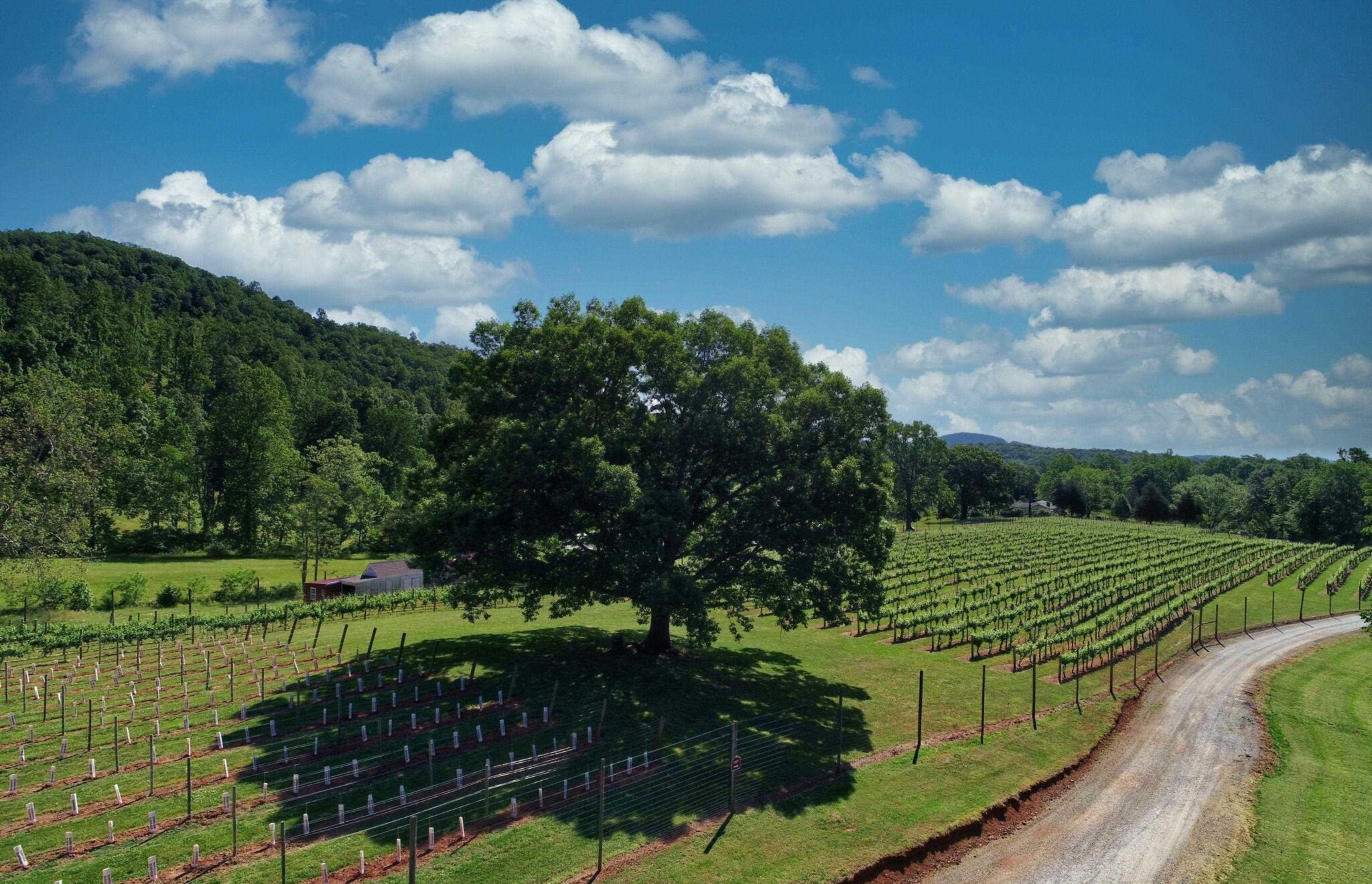 Before purchasing, confirm the property’s zoning classification and check for any easements, as land-use rules vary widely across Central Virginia’s counties.
Agricultural zoning may limit subdivision potential or dictate how many dwellings can be built on a property. Conservation easements are especially common in Albemarle; they preserve rural character and open space, but may limit building or land alteration. Scenic easements along byways—such as segments of Garth Road or the Somerset countryside—may also guide how the land can be modified.
Understanding these designations upfront helps avoid surprises and ensures your plans align with the property’s long-term obligations.
Consider Access and Utilities
For large-acreage properties, access arrangements can be complex. Some Central Virginia farms rely on private gravel roads that cross multiple parcels or historic rights-of-way that predate modern surveying. Evaluate the condition of entry roads, gates, bridges, and internal pathways. Confirm that access routes are fully deeded—not shared, encumbered, or otherwise restricted. Also, review available utilities. Rural broadband continues to improve, particularly with recent fiber expansion along major corridors like Route 250 and Route 151, but not all areas are fully serviced. Remote properties may require investment in upgraded septic systems or off-grid power solutions—elements that should factor into your evaluation and budget.
Think About Maintenance
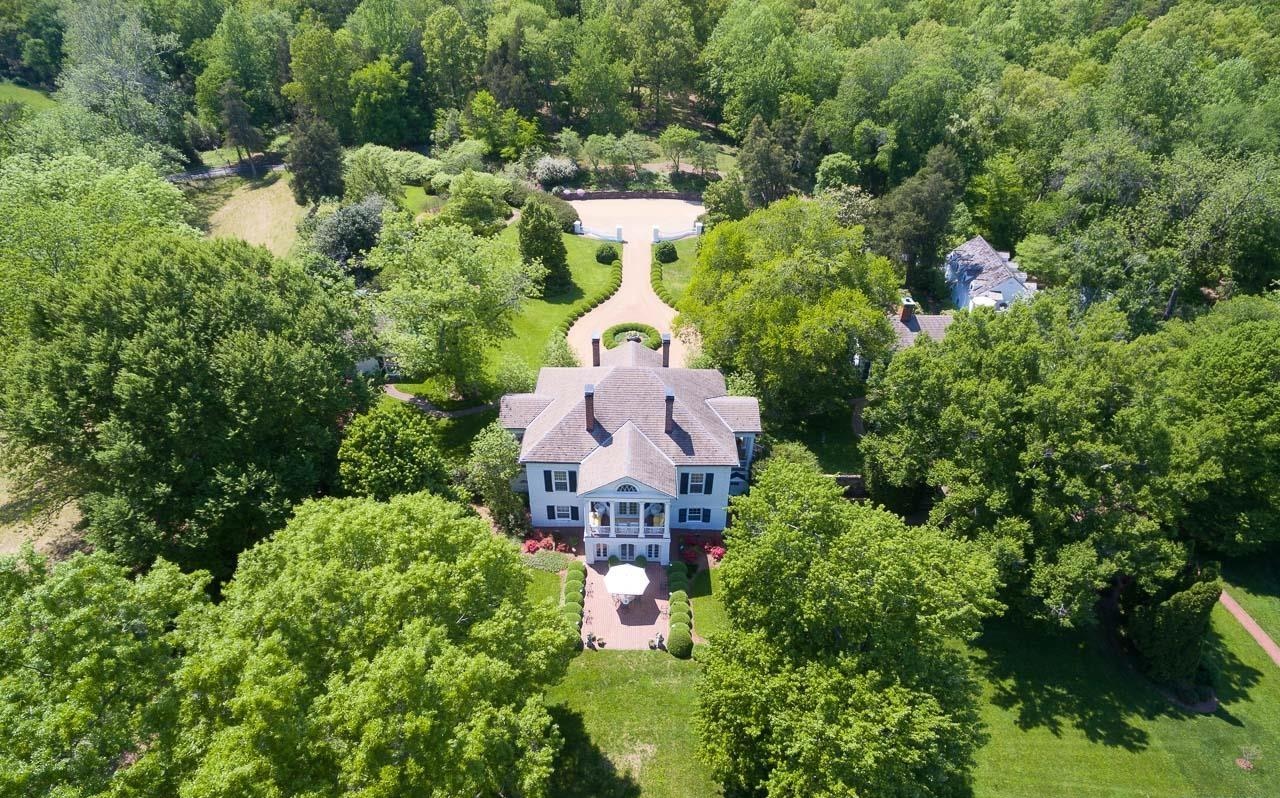 Even the most beautiful property requires consistent upkeep. Estimate annual maintenance costs for mowing, fencing, equipment, and structural upgrades.
Some buyers hire local caretakers or farm managers; others take a hands-on approach. In Central Virginia, finding skilled tradespeople—whether for barn restoration, forestry work, or equestrian facility maintenance—can make the experience more rewarding and sustainable. Clarifying your maintenance expectations early helps ensure the property aligns with the lifestyle you want.
Work with Local Experts
No two Virginia farms are exactly alike, and each carries its own story. Partnering with professionals who understand local zoning, easements, and rural land valuation is invaluable. Whether you’re seeking a productive operation, a legacy holding, or a timeless retreat, McLean Faulconer’s four decades of experience in Central Virginia’s premier farms and estates means we know what to look for–and what to avoid. From evaluating land potential to navigating conservation programs, our guidance is grounded in expertise, local relationships, and a commitment to integrity and long-term stewardship.