
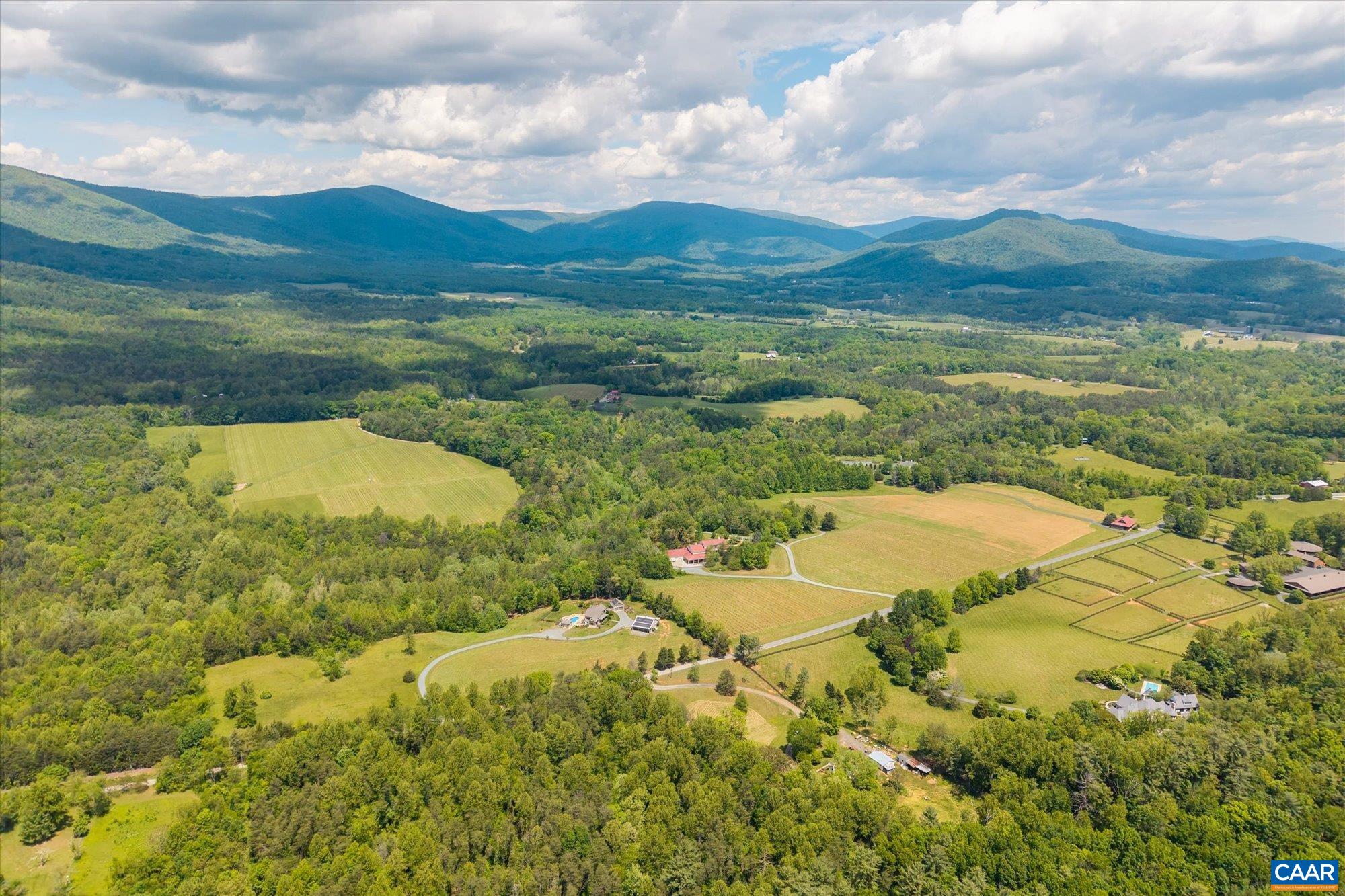
Selling a farm in Charlottesville and Albemarle County requires more than watching the calendar—it demands strategic timing aligned with market cycles, buyer behavior, and your property’s unique attributes. With 32 farms currently on the market in Albemarle County, averaging $3.6 million and commanding roughly $12,700 per acre, understanding when and how to position your property can significantly impact your outcome.
Reading the Current Market
The second quarter of 2025 revealed a market in transition, with sales activity cooling by 1% while median prices climbed 5% to $485,000 across the broader region. For farm and estate properties, this shift presents opportunity. Inventory has increased 30% compared to last year, giving buyers more options—but also creating more competition for sellers who aren’t strategically positioned.
Virginia farmland values jumped 10.4% over the past year, with pasture values increasing by 13.6%, reflecting continued strong fundamentals for agricultural properties despite the shifting sales environment. Your farm’s value is holding—the question is how to capture it.
Understanding Your Buyer
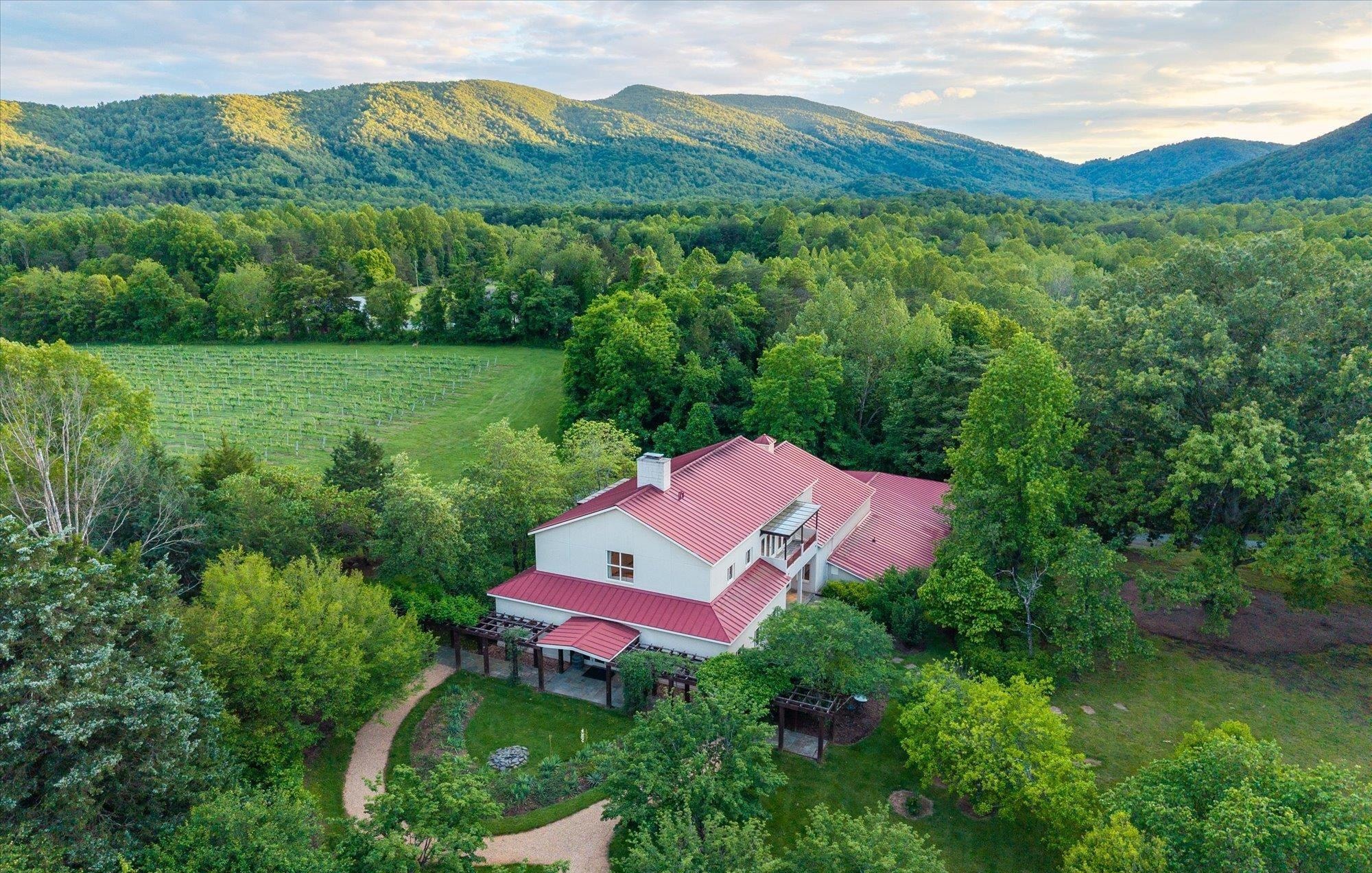 The Charlottesville farm market draws from distinct buyer pools, each with different timing considerations. High-net-worth buyers are increasingly seeking elite equestrian properties with premium amenities, while remote work flexibility has enabled more buyers to pursue lifestyle-driven purchases in rural settings.
Many prospects are relocating from metropolitan areas like Washington D.C., Northern Virginia, and Richmond. They’re drawn by the region’s combination of privacy, natural beauty, proximity to the University of Virginia, and rich historical character. These buyers typically plan carefully—often coordinating moves with job transitions, school schedules, or life changes that influence their purchase timeline.
Seasonal Timing Still Matters
Spring remains the traditional sweet spot for farm listings. Properties showcase beautifully with green pastures, blooming landscapes, and ideal weather for extended property tours. Buyers are motivated by the fresh start of a new season and the practical advantage of settling in before summer.
Fall offers compelling advantages as well. Properties in Greene and Nelson Counties moved fastest in Q2 with median days on market at 6 and 14 days, respectively, suggesting that well-priced, properly presented farms can move quickly even outside peak spring timing. Fall’s golden light, vibrant foliage, and sense of year-end urgency can create emotional connections that inspire action—particularly important for lifestyle buyers making heart-driven decisions.
Winter listings face headwinds but aren’t impossible. Serious buyers operate year-round, and reduced competition can work in your favor. However, plan for longer market times and fewer showings.
Agricultural Cycles and Operational Considerations
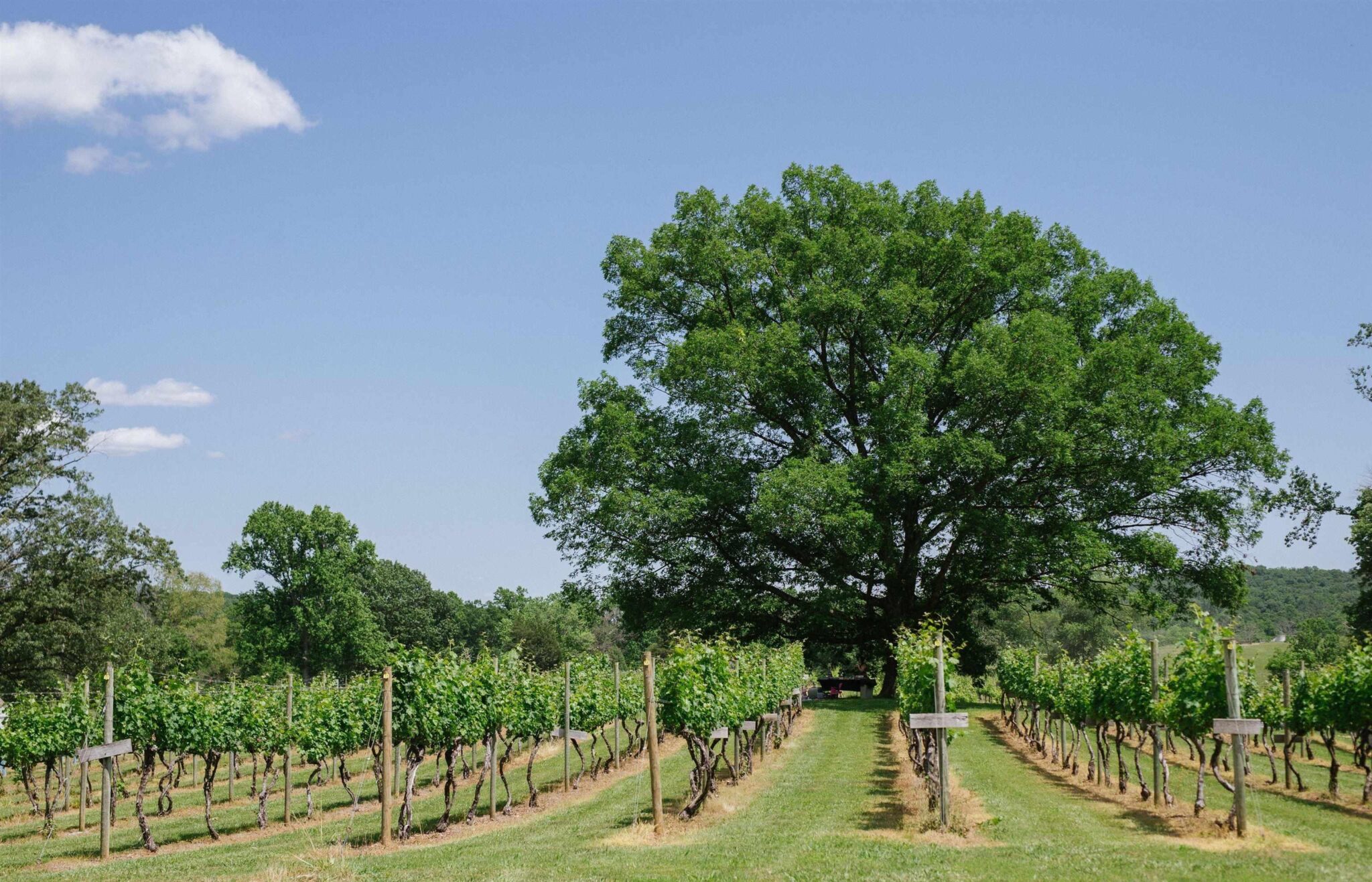 If your farm is actively productive—whether livestock, crops, hay, or specialty agriculture—coordinate your listing with operational realities. A recently completed harvest demonstrates yield potential. Well-maintained livestock on the property can illustrate its productivity and appeal.
Consider your buyer’s operational timeline. A purchaser planning an immediate operation may prefer spring acquisition, allowing time to prepare for the growing season. Others seeking a transition period might prefer fall or winter closings.
For equestrian properties, buyers increasingly prioritize eco-friendly and tech-integrated facilities, with growing demand for sustainable features. If you’re making improvements, these modern touches can differentiate your property and justify timing that accommodates the upgrades.
Pre-Listing Preparation: Small Investments, Significant Returns
Don’t rush to market unprepared. Price sensitivity is very real in the current market—buyers know values intimately and are less inclined to overlook properties needing work. Strategic improvements can dramatically impact buyer perception and final sale price.
Focus on high-impact items: fresh paint on barns and outbuildings, fence repairs, pasture maintenance, and addressing deferred maintenance on primary structures. For the main residence, updates to kitchens, bathrooms, and landscaping carry disproportionate weight. But avoid over-improvement—work with your agent to identify which upgrades justify the investment.
The Bottom Line

“Albemarle County continues to be one of the finest and most desirable areas in the state, and possibly the entire southeast, for individuals who are relocating or retiring. This is a product of many factors including the proximity to the University of Virginia, the amazing and rich American historical tradition, and to the natural beauty of the landscape. There’s something for everyone and the right agent truly makes the difference in achieving your next real estate move.”
– Mark Mascotte, Associate Broker, McLean Faulconer, Inc.
The best time to sell your Charlottesville farm isn’t dictated by weather alone—it’s the intersection of market conditions, strategic preparation, and buyer psychology. While spring and fall traditionally offer the most curb appeal and buyer activity, the right buyer can emerge at any time when your property is properly positioned.
The Charlottesville area’s luxury real estate segment, fueled by prestigious educational institutions and a thriving technology sector, maintains consistent demand for high-end properties, including expansive estates. Your farm represents more than acreage—it’s a lifestyle proposition that requires thoughtful marketing and strategic timing.
If you’re considering selling, start the conversation now. Market conditions shift, buyer pools evolve, and preparation takes time. With strategic planning and expert guidance, you can transform timing into leverage and ensure your sale achieves the success your property deserves.